What does resilience actually mean?
Is it the ability to push through something difficult? To adapt when things don't go as planned? To keep going when you're tired, frustrated, or unsure of what comes next? Or is it something we can learn and strengthen over time?
Those were some of the questions Watershed students encountered during this year's orientation, becoming the starting point for two weeks of conversations, challenges, reflection, and real-world experiences centered around resilience, our overarching theme for the school year.
The focus grew out of Watershed's ongoing partnership with the CU Center for Healthy Mind and Mood, whose researchers have been working alongside Watershed educators for the past two years to better understand youth mental health and resilience. Through focus groups, interviews, and surveys, the partnership has explored how we can better understand and support resilience in young people.
One key takeaway: to understand resilience in our students, we need to hear directly from them. How do they define resilience? What strategies do they use? And do they believe resilience can be learned?
Those questions became the foundation for this year's orientation experience.
Putting Resilience to the Test
On the first day of on-campus orientation, middle and upper school students were introduced to the theme and asked to consider what resilience means to them. Rather than simply talking about it, students spent the week exploring what resilience looks like through stories, art, history, museums, writing, and their own experiences.
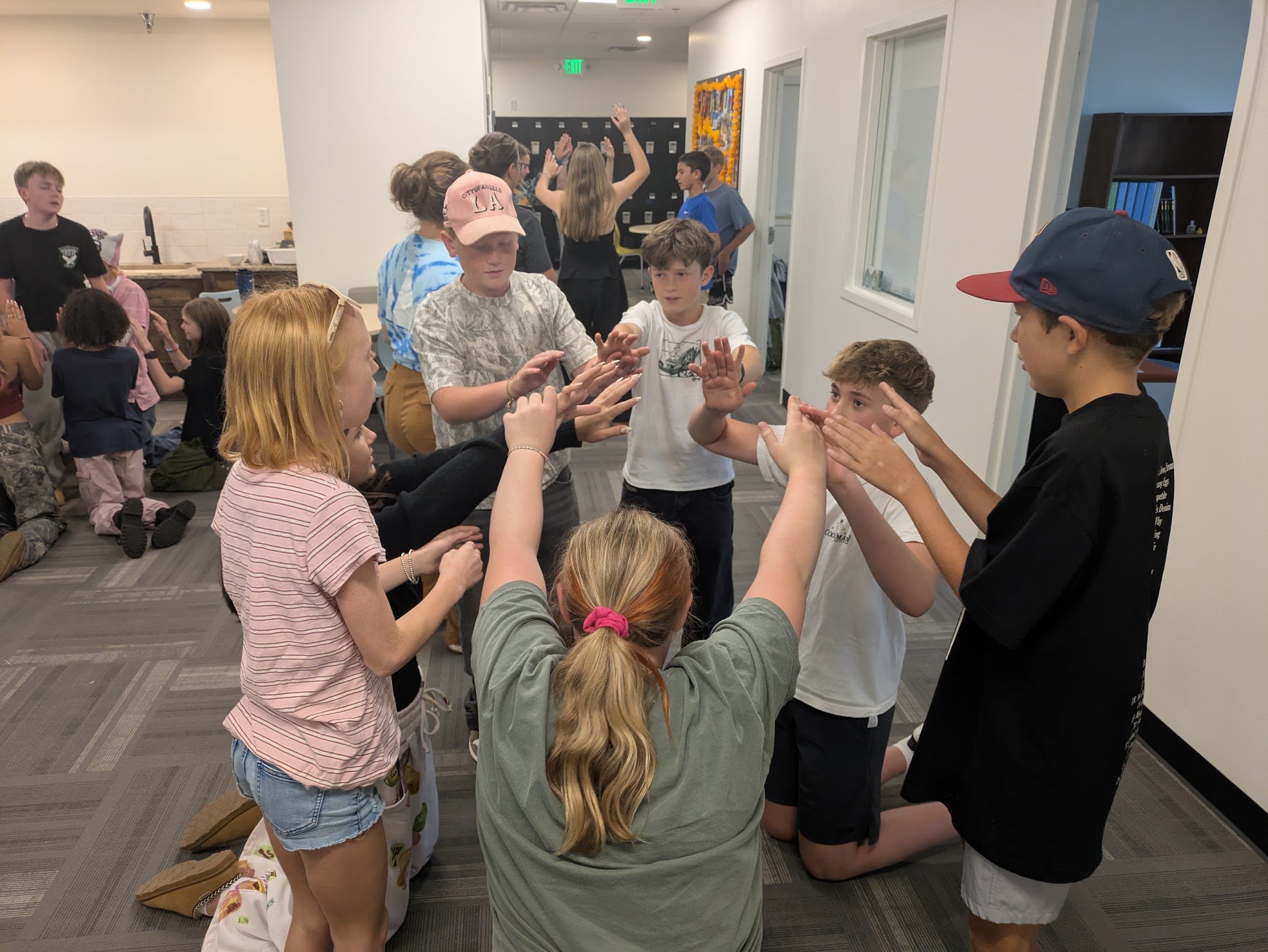
Upper school students read a Climbing Magazine article by Watershed's own Chris Carithers about his experience with resilience following a climbing accident, while middle school students read A Rover’s Story, following a Mars rover as he develops human emotions and resilience while navigating the challenges of life on Mars.
Students then took their exploration beyond campus, visiting History Colorado and the Denver Museum of Nature and Science to find examples of people and communities who faced adversity, adapted, and persevered.
By the end of the week, students had gathered enough ideas and experiences to turn the lens back on themselves.
Resilience, in Their Own Words
Students began goal-setting with writing workshops, drawing on everything they had discussed and observed throughout the week. They then wrote letters to their advisors outlining goals for themselves and for the Watershed community, while also sharing their own definitions of resilience.
Their reflections offered a glimpse into the many ways our students understand and experience the concept:
“For me, resilience means bringing discipline, adaptability, mental fortitude, and a sense of security into the challenges I face. I also believe persistence is an essential part of resilience, and it is a trait I want to carry with me throughout this school year.”
For another student, resilience is closely connected to problem-solving:
“I feel like I'm pretty good at pushing past things or, if I'm having a hard time, to not make it everyone’s problem and complain. I also think I'm good at trying to find a solution and not just dwell on the problem because it will take work to solve.”
And for another, resilience is inseparable from the experience of being vulnerable and learning through difficulty:
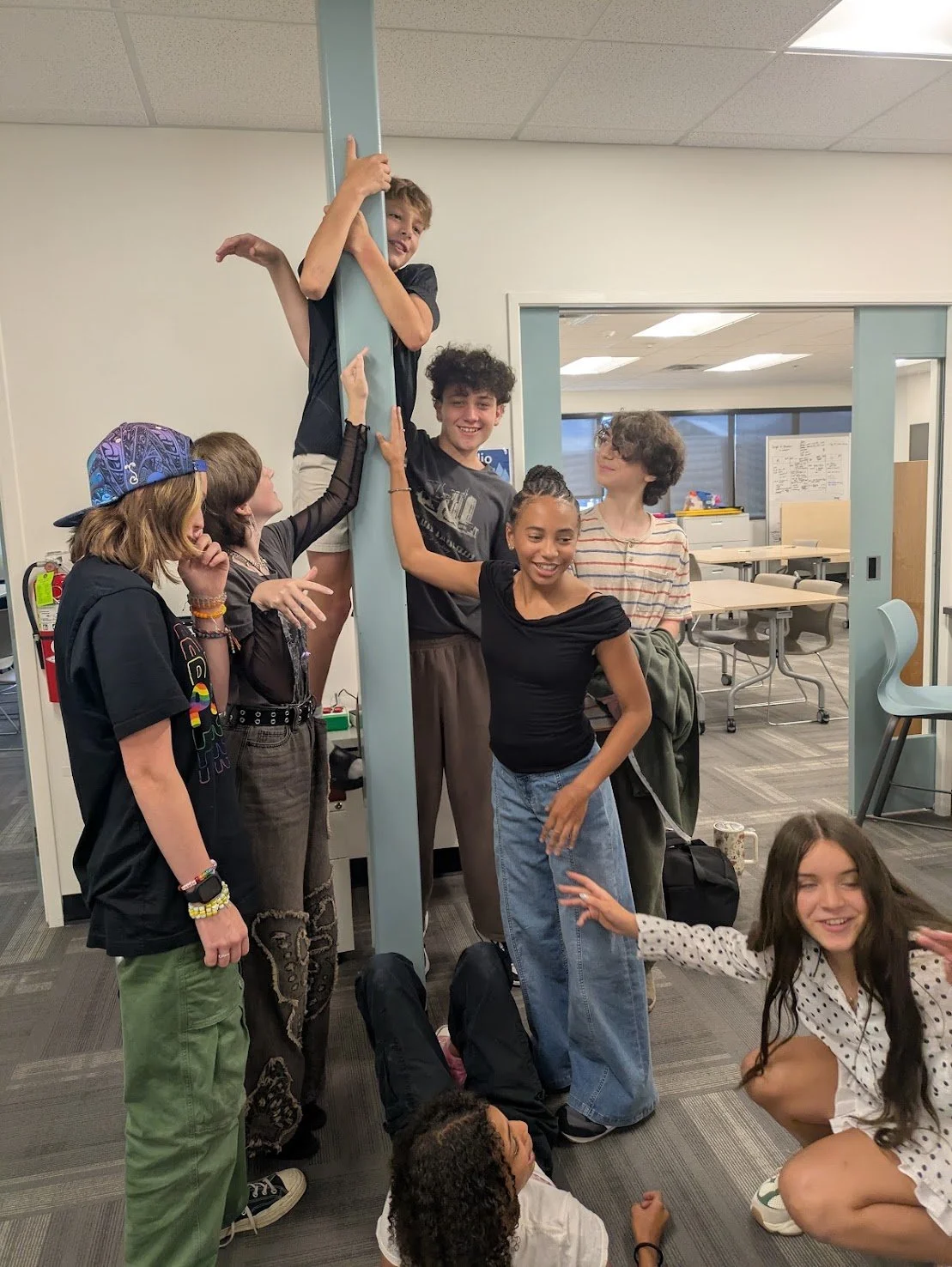
“For me resilience is about facing challenges. It is about overcoming hardships and coming out having learned something. It is the ability to persevere through things yet not crumble under that pressure.”
That student went on to share a deeply personal example: learning English as a young person and navigating the challenge of communicating needs and forming relationships while only partially understanding the people around them.
These reflections reveal something important: resilience doesn't look the same for everyone. It can mean persistence, adaptability, problem-solving, discipline, connection, or simply continuing to move forward through something that feels hard.
Resilience on the Trail
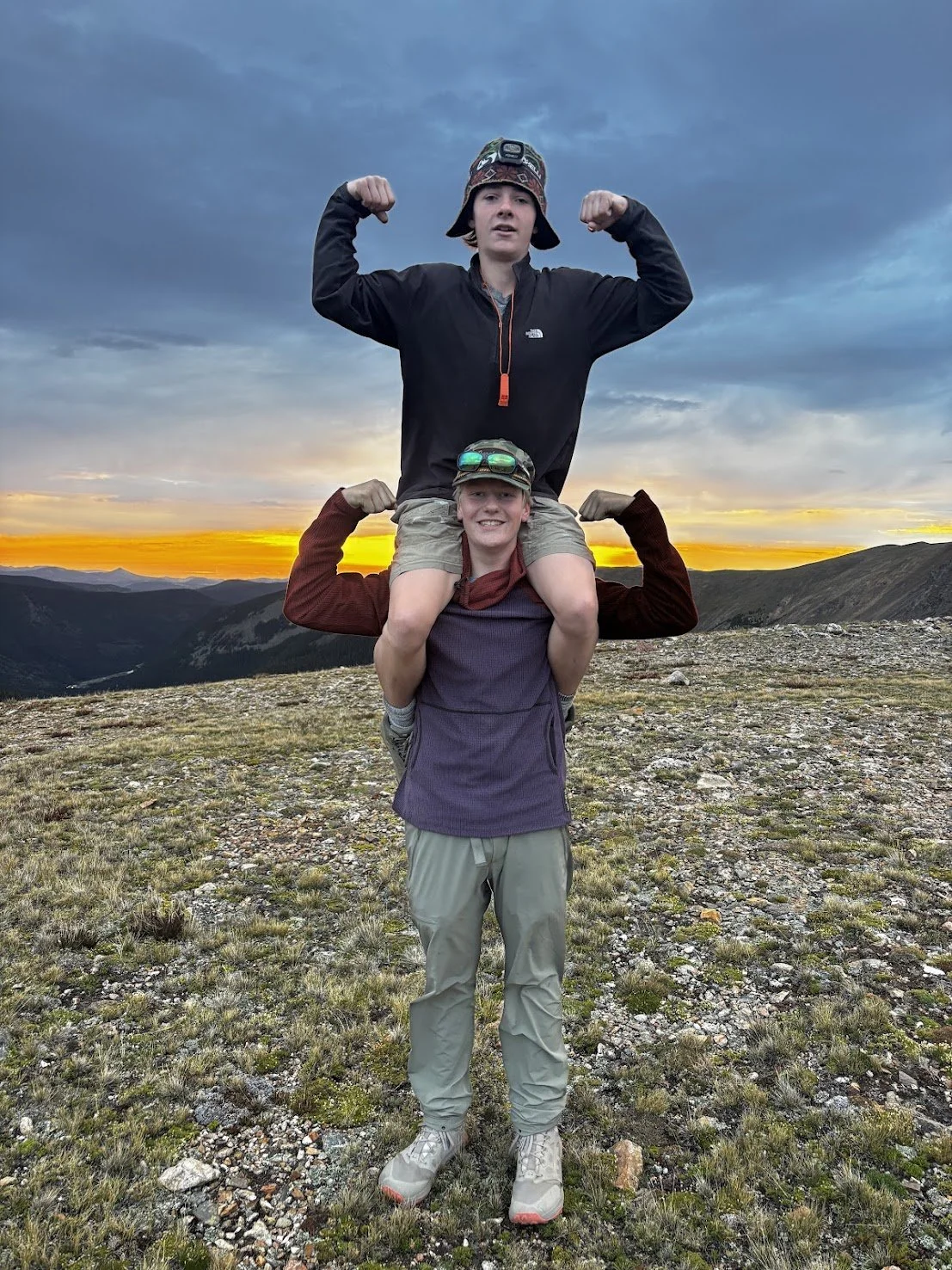
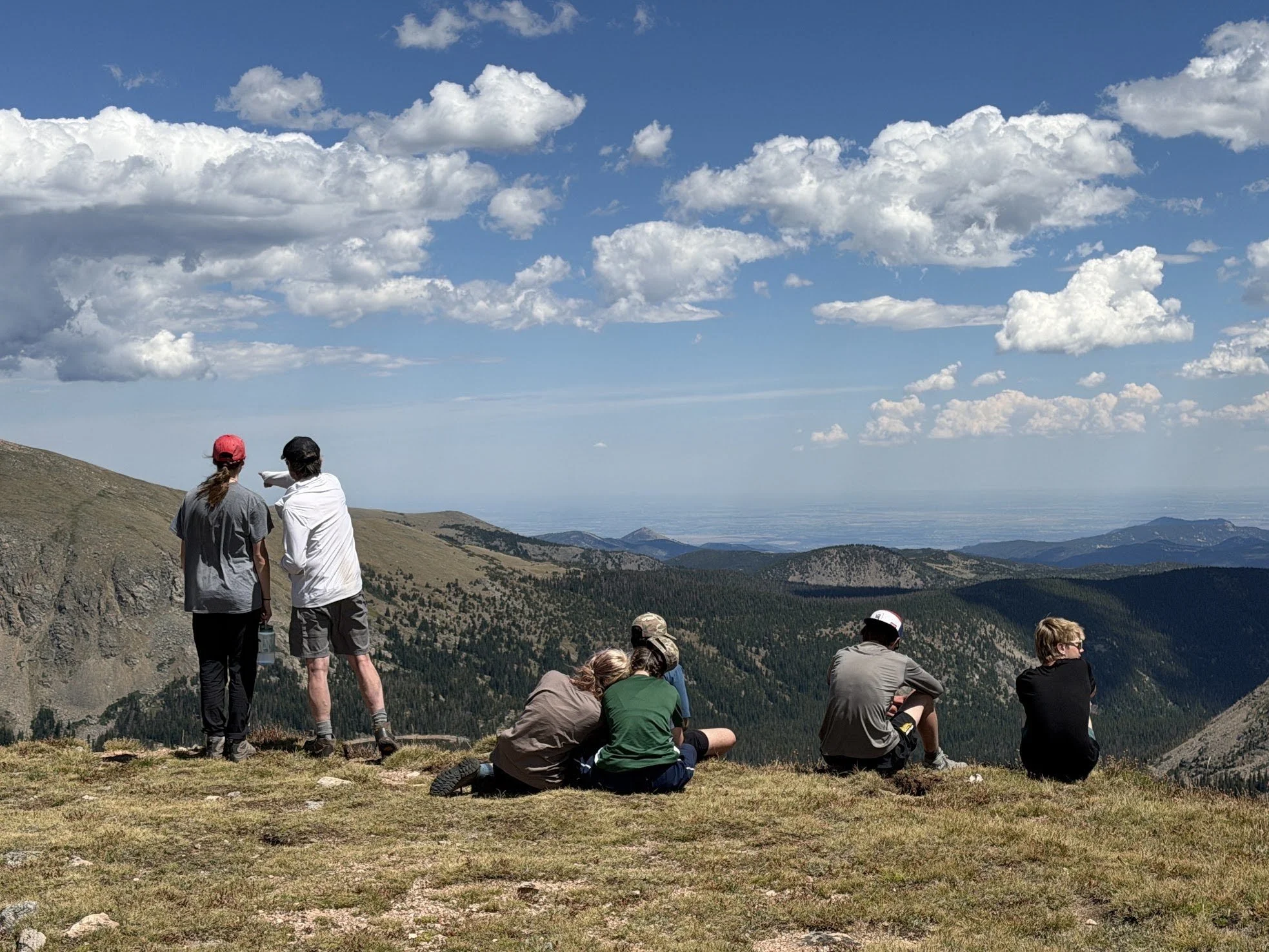
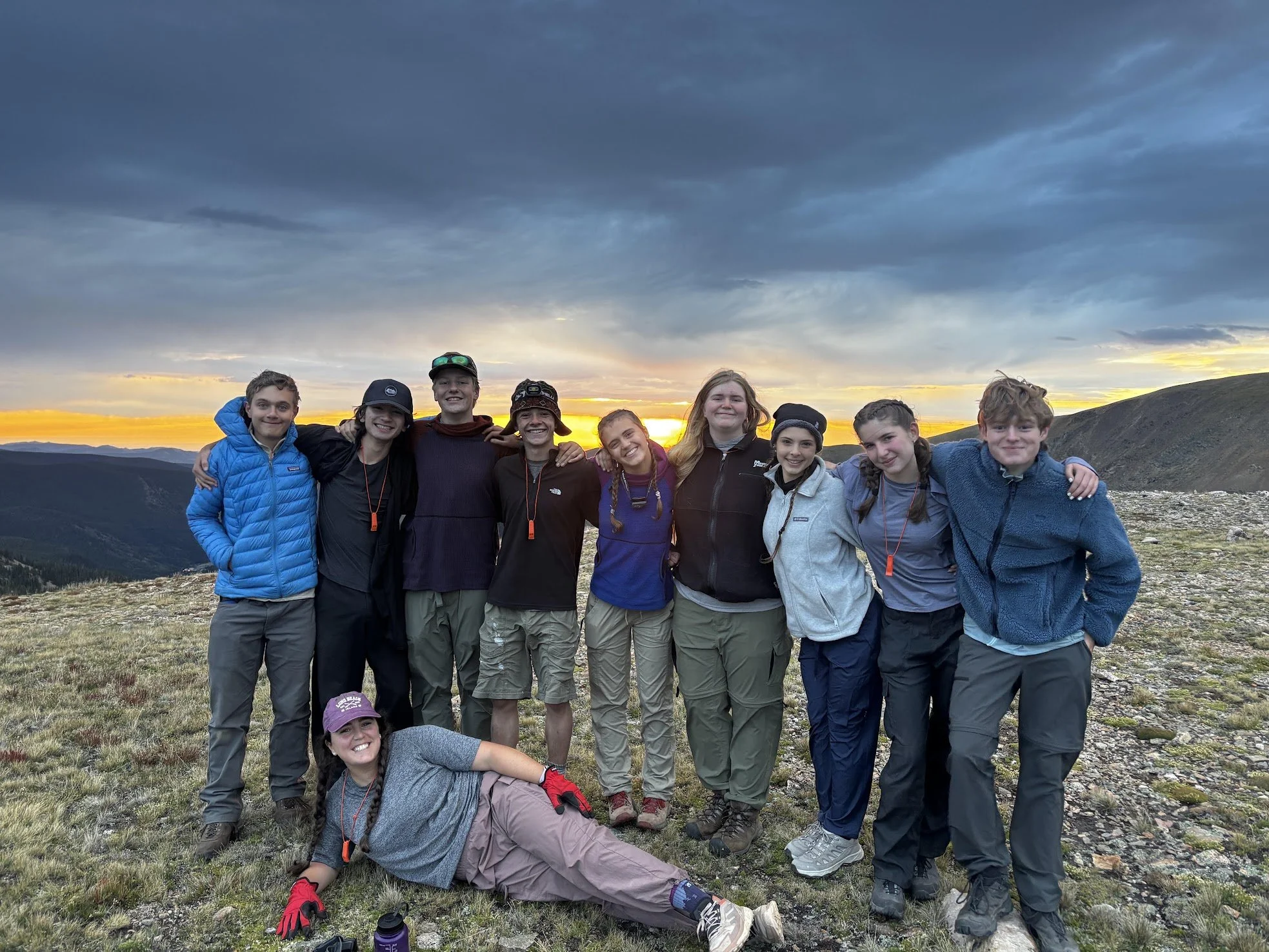
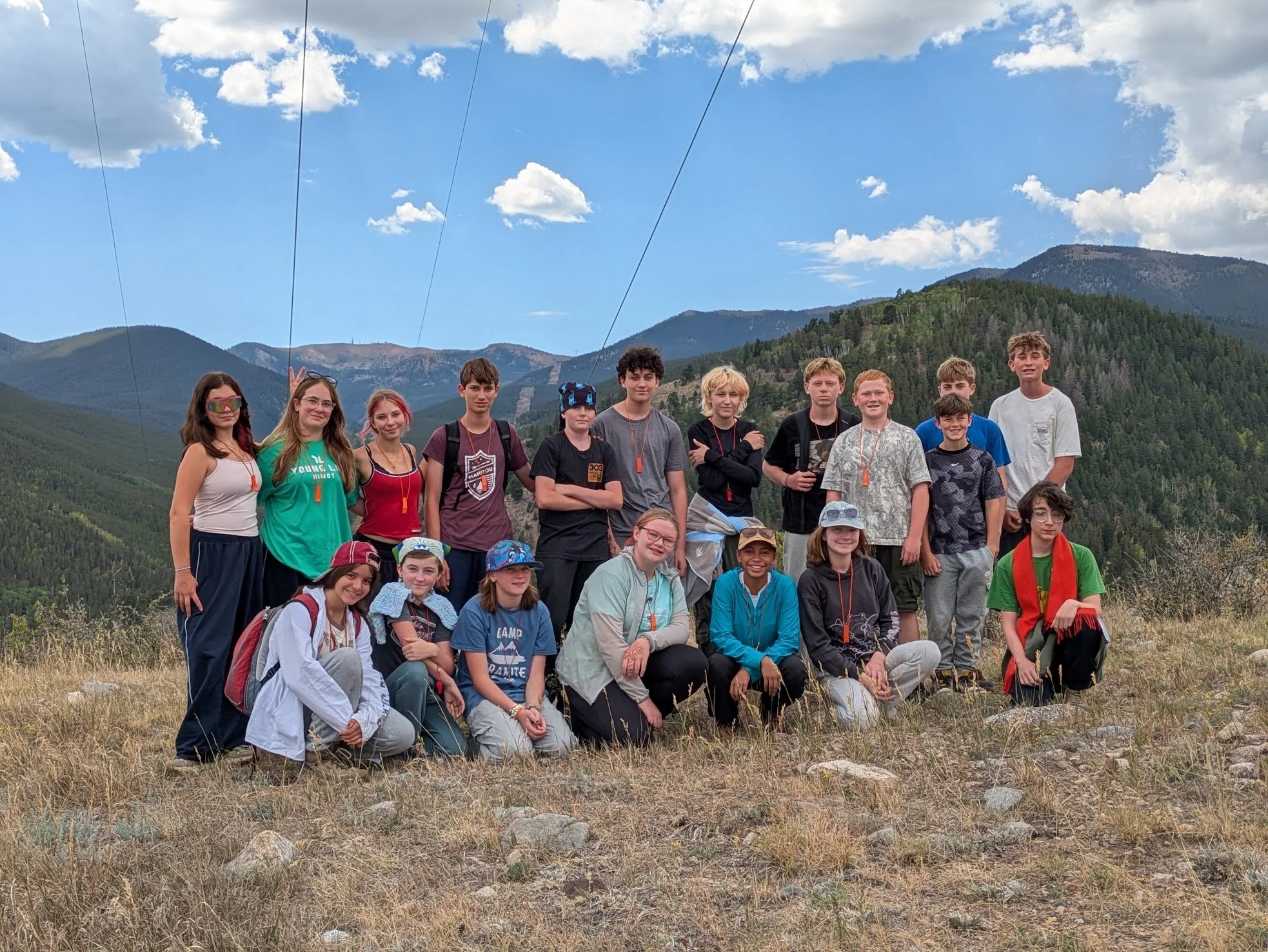
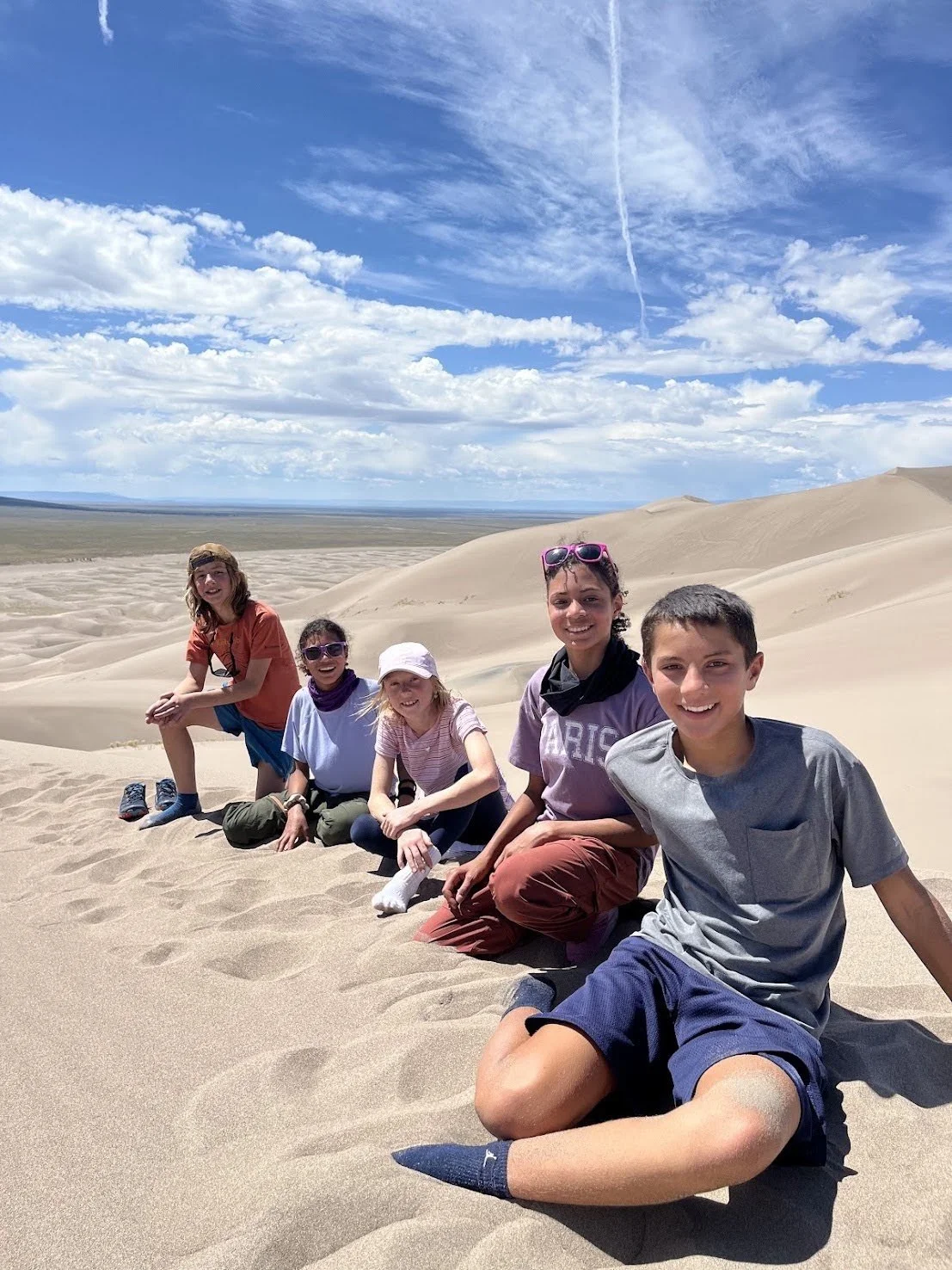
While half of the upper school was on campus digging into these questions, the other half was putting resilience into practice in a very different environment: eight days in the backcountry as part of Watershed's backpacking orientation. Meanwhile, Middle School students headed out for four-day camping trips of their own: 6th & 7th grade to Great Sand Dunes National Park and 8th grade to the Salida area.
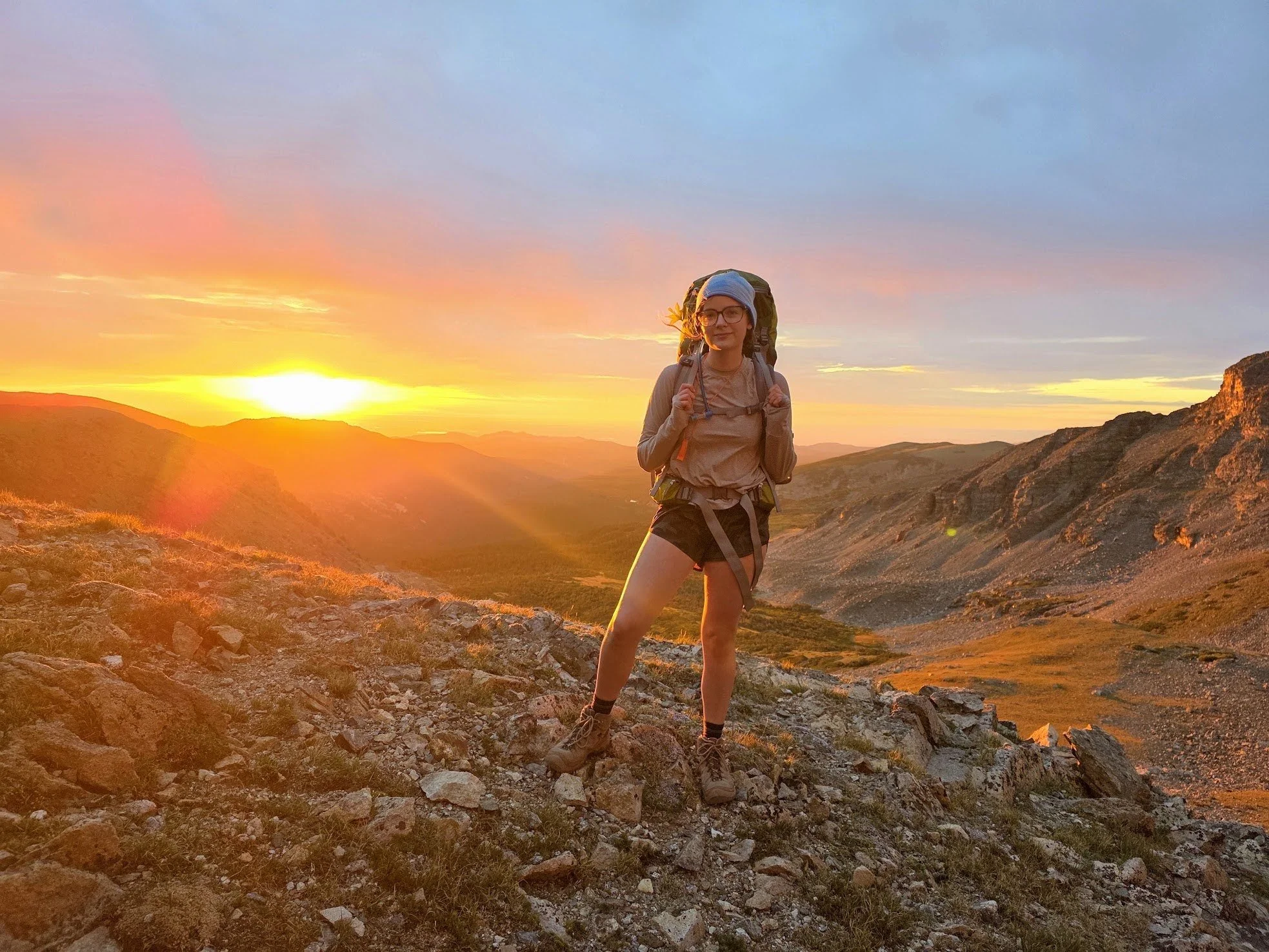
Whether backpacking for more than a week or camping for four days, students were asked to adapt, problem-solve, and work together in unfamiliar environments. They navigated physical challenges, changing conditions, fatigue, and the inevitable moments of frustration and discomfort.
For upper school students, that meant carrying their own gear, navigating challenging terrain, and contributing to the overall attitude of their advisory. At the sand dunes, middle school students had to hike to the top before bravely sandboarding and sledding their way back down - (a literal climb before the reward!), experiencing that same process on a different scale - stepping outside familiar routines, taking on new responsibilities, and discovering they could handle more than they expected.
Educator and advisor Chris reflected on the upper school experience: “Students find that their perception of their limits keep evolving. What they initially thought to be the outer limit of what they could do was actually less than what they’re truly capable of.”
In that sense, the outdoor experiences were a literal expression of this year's theme. Students weren't simply discussing resilience. They were practicing it, learning that resilience isn't about never struggling, but about what happens when you do.
A Year of Practicing Resilience
Launching the school year with a focus on resilience is intentional. At Watershed, we want students to develop not only the knowledge and skills to take on challenges, but also the character and ability to keep going when those challenges inevitably arise.
And perhaps the most important lesson from orientation is that resilience isn't a fixed trait that some people simply have and others don't; it can be practiced, it can be strengthened, and it can look different for every person.
This year, Watershed students are being invited to discover what resilience looks like for them, and then put it to work.