EXTENDED FIELDWORK
Diving Deeper Beyond the Classroom
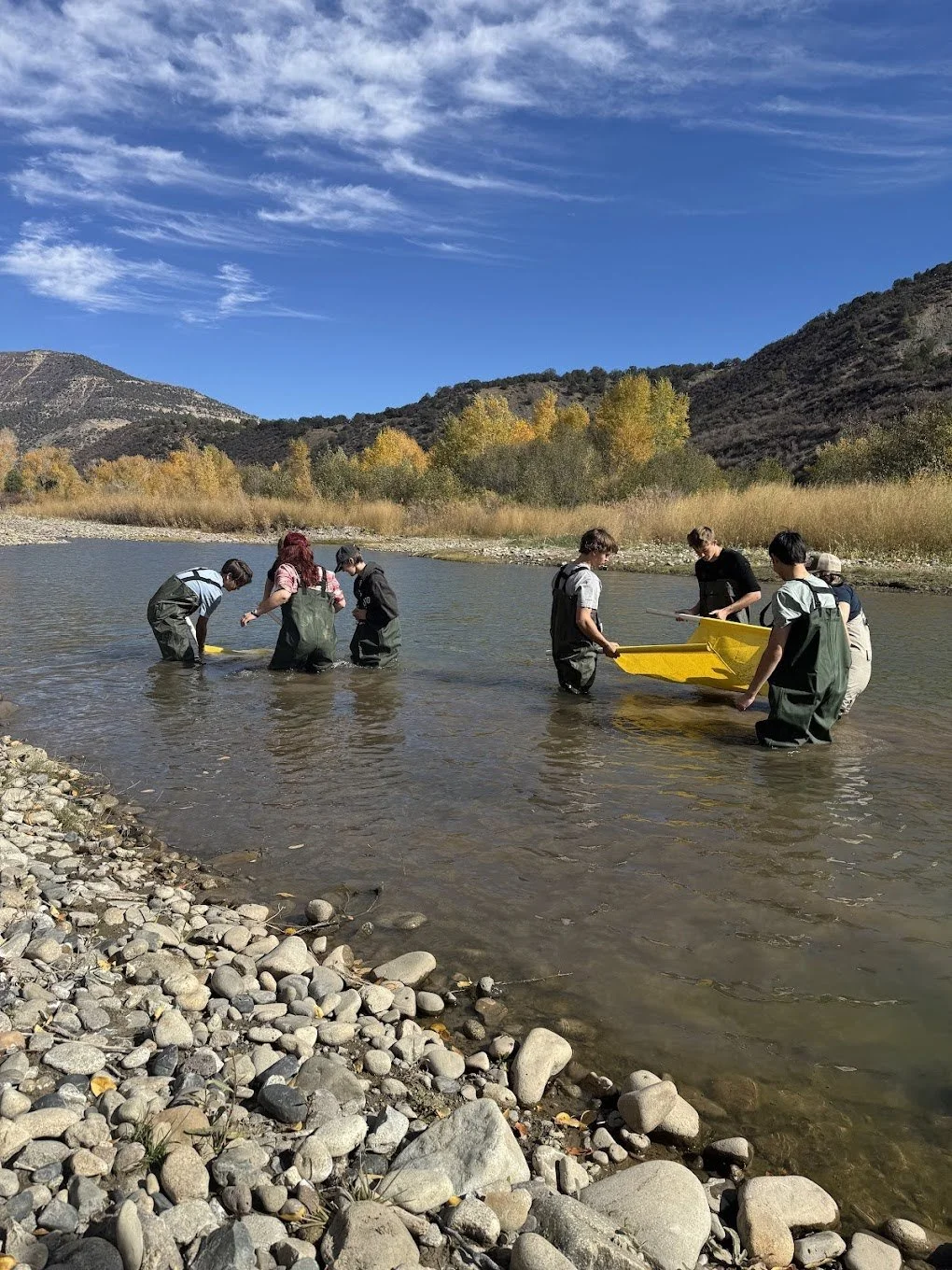
Each fall, Watershed students step away from the daily schedule and into the field for five days of Extended Fieldwork - an integral part of their academic courses.
These experiences give students the opportunity to immerse themselves in the topics they study, applying classroom learning to real-world settings, questions, and challenges. Students conduct authentic research, engage in service learning, and connect directly with the people and places that bring their studies to life.
For middle school students, Extended Fieldwork may include overnight travel, as it does this year, or locally based experiences that take place while upper school students are away on their trips.
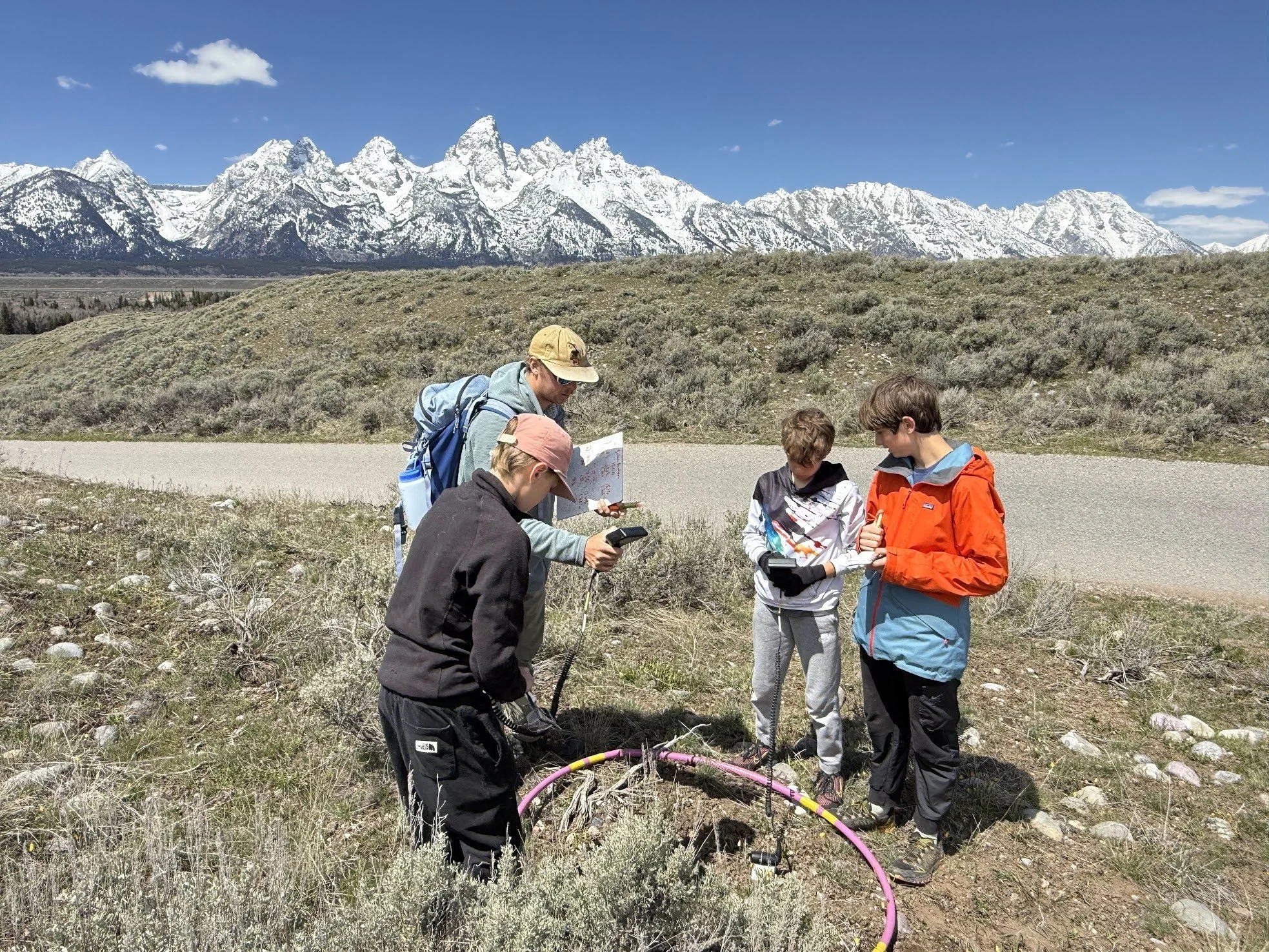
Whether they’re interviewing community members, collecting field data, hiking through public lands, or contributing to a service project, students are learning by doing.
And when the days are long, the questions are complicated, or the plans don’t go exactly as expected, they’re practicing something just as important as academic content: resilience, critical thinking, collaboration, and the ability to navigate the real world with curiosity.
Extended Fieldwork transforms academic content into lived experience.
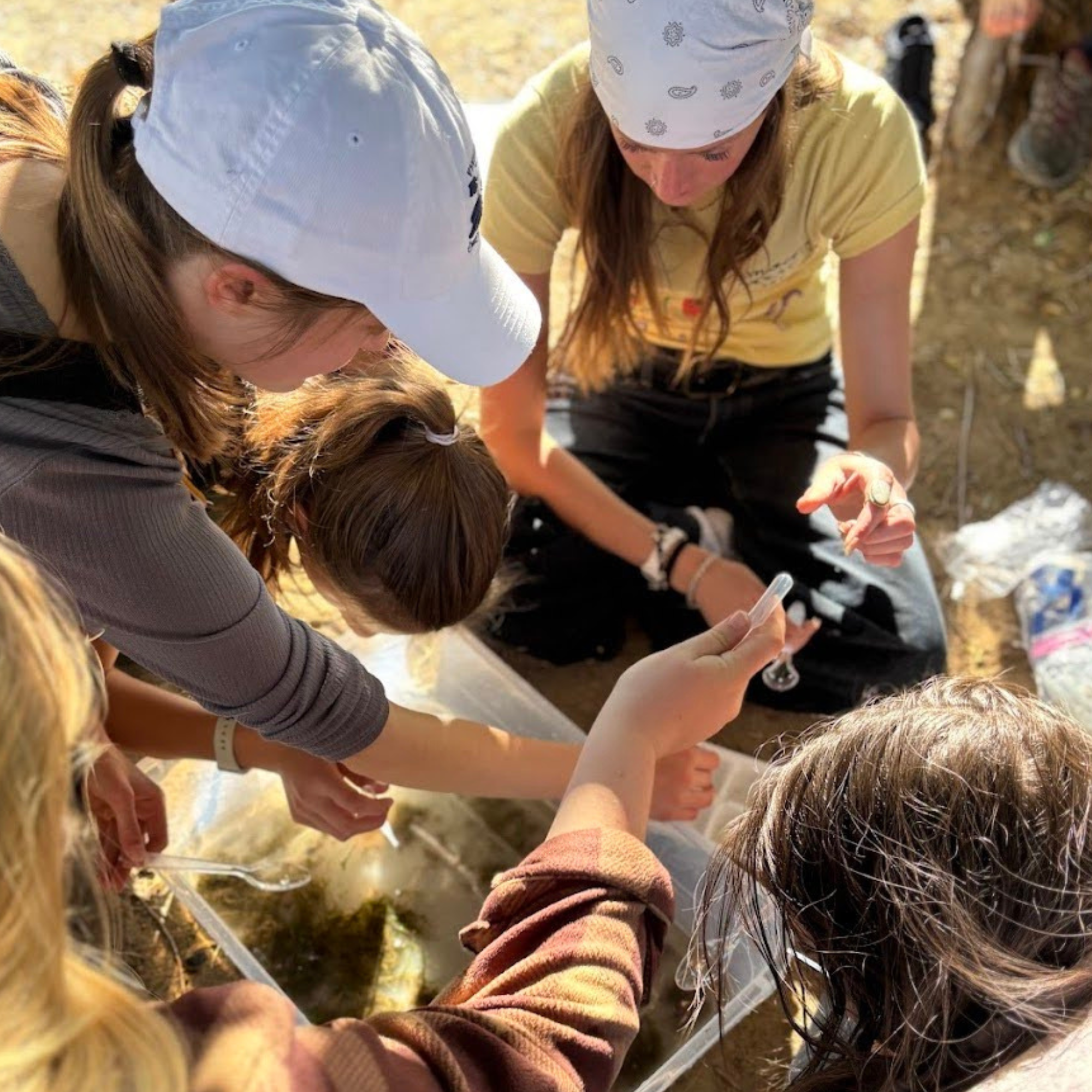
Learning comes to life
Extended Fieldwork might look like:
Conducting bird censuses in South Texas as part of a course on animal migration
Visiting the U.S./Mexico border to explore the complexities of immigration policy
Traveling to Colorado’s Western Slope to collect and analyze freshwater samples
Partnering with communities in Pine Ridge, South Dakota to examine class and equity in America
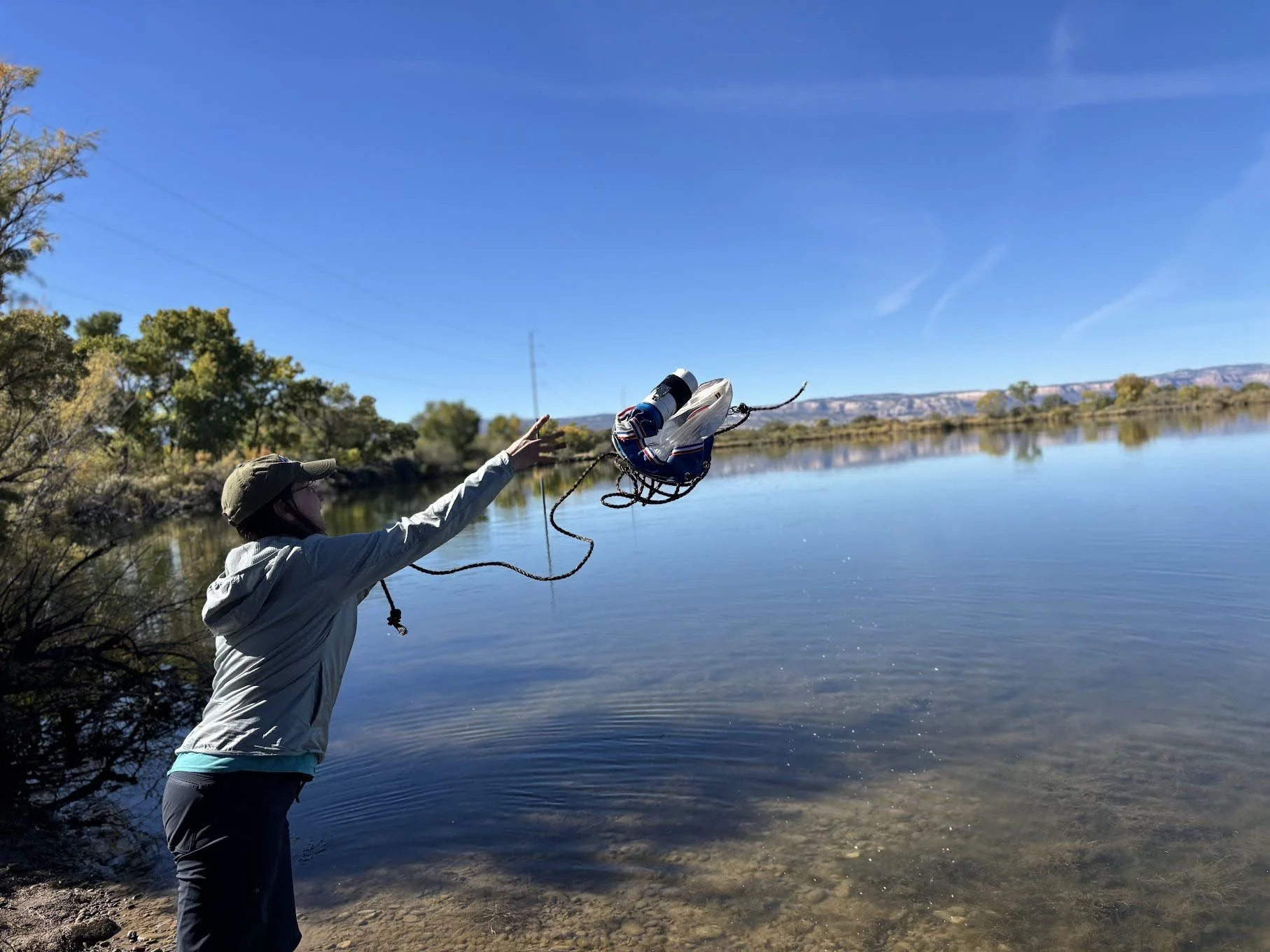
Extended Fieldwork 2026
This year, Watershed students are taking their learning into the field across Colorado and beyond.
UPPER SCHOOL
The Power of Voice Expedition Course
Moab & Bears Ears National Monument | Upper School Humanities (Grades 11/12)
Students explore rhetoric, argument, and public opinion while developing their own speaking and persuasive communication skills. In Moab, UT and at Bears Ears National Monument, they’ll investigate the complex debate surrounding public lands - their value, use, and stewardship - through firsthand conversations with a range of stakeholders.
Students will hear from representatives of the Bureau of Land Management, Bears Ears Partnership, archaeologists, local residents, and business owners. The trip includes hiking, camping, interviews, and site visits throughout the region, including Canyonlands National Park and Bears Ears National Monument.
Fate of Democracy Expedition Course
Sterling, Colorado | Upper School Humanities (Grades 11/12)
Students in Fate of Democracy will head to Sterling to explore how people form opinions about the issues that shape their communities. Through interviews with local residents, students will hear a range of perspectives on ballot issues and the democratic process.
Their conversations and observations will culminate in a student-created podcast, giving students the opportunity to transform their fieldwork into a public-facing piece of storytelling and analysis.
Canid Evolution Expedition Course
Albuquerque, NM | Upper School Science (Grades 9/10)
How did canids become both our best friends and most persecuted enemies? In Canid Evolution, students explore the many dimensions of canid evolution and human-canid relationships, with a particular focus on the Mexican wolf (Canis lupus baileyi) and its reintroduction and conservation efforts.
During fieldwork in Albuquerque, students will speak with experts about wolf reintroduction, examine the challenges of domestic dog overpopulation in the Southwest, learn about highly trained working dogs and their jobs, and explore the history of human-canid relationships in the region. They’ll also contribute through service work at a local animal shelter.
MIDDLE SCHOOL
Mustangs and the American West Expedition Course | Middle School Humanities
Calhan & Last Chance, CO - (Grades 6/7)
Colorado’s Western Slope - (Grade 8)
Students in Mustangs and the American West investigate the complex relationships between wild horses, people, livestock, and public lands. Students will travel to Calhan and Last Chance, Colorado, while 8th graders will head to the Western Slope, giving students across the course opportunities to engage directly with mustang experts, advocates, ranchers, researchers, and land managers.
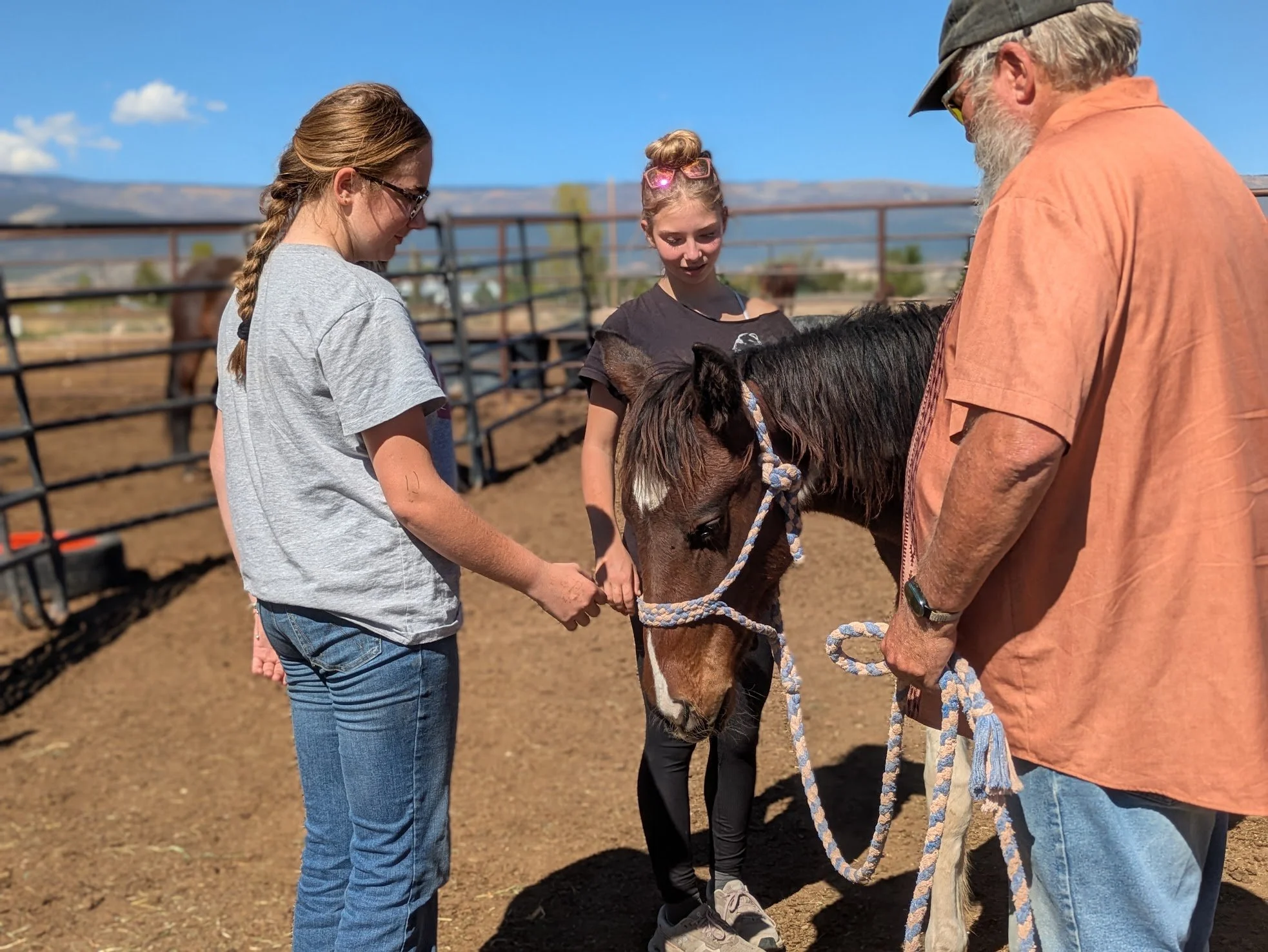
6th & 7th Grade: Students will spend time at the Mustang Ambassador Program (MAP) in Calhan, where they’ll participate in hands-on horse interactions, hike to see the Freedom Family Herd, and learn about the daily care and management of horses.
They’ll hear from experts about ongoing roundup litigation, wild horse management, and current issues surrounding wild horses in Colorado and across the country. Students will also meet with the Executive Director of the Cloud Foundation to learn about the organization’s work to protect wild horses on public lands. Their time at MAP will include a group service project, giving students the opportunity to contribute to the organization they are visiting.
Students will then travel to Last Chance to meet regenerative rancher Bill Parker, who manages land shared by livestock and other animals. Working alongside Bill, students will explore what day-to-day land management looks like through a science lens, with a focus on holistic and regenerative practices. Out on the ranch, students will interact with cattle, sheep, and horses while seeing firsthand many of the concepts they’ve been exploring in class - connecting their learning about land, animals, and management decisions to the realities of caring for a working landscape.
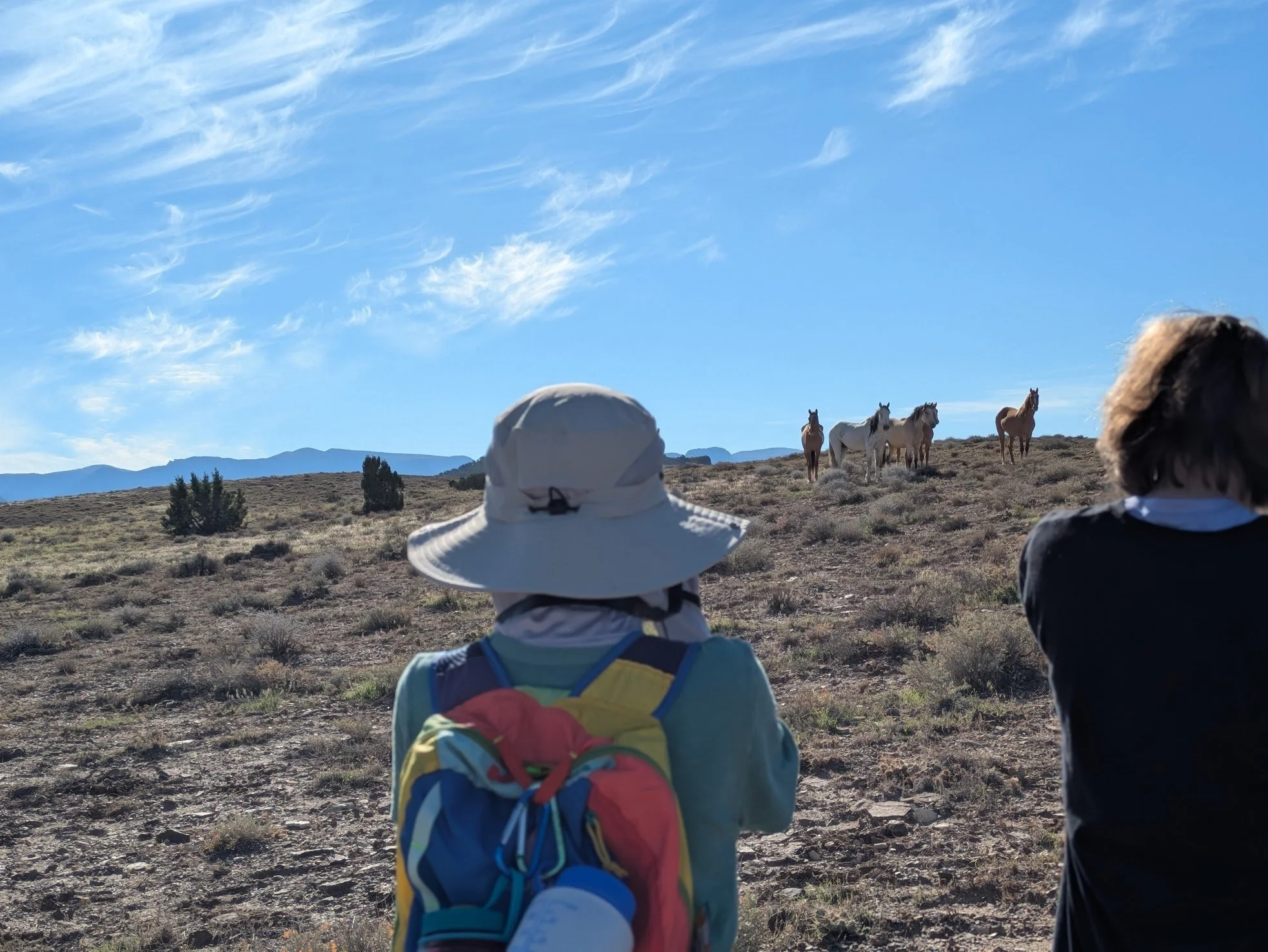
8th Grade : Students will travel to Craig, Disappointment Valley, and Eckert, CO to engage directly with mustang and public lands research, advocacy, and management. They will tour a mustang sanctuary, camp in a Herd Management Area, work alongside a mustang advocate and BLM volunteer, meet with a Bureau of Land Management range manager, and visit a mustang trainer’s ranch.
Along the way, they’ll explore different approaches to wild horse management and learn what happens after horses are removed from public rangelands.
Where learning meets the real world
Extended Fieldwork is one of the ways Watershed students experience their education as something bigger than a classroom.
They ask questions in the places where those questions matter. They learn from people with different perspectives. They gather evidence, navigate uncertainty, contribute to communities, and put their ideas into practice.
Because sometimes the best classroom is the one that doesn’t have four walls.